AI, Inclusion, and the Future of Work: A Reality Check from Practice
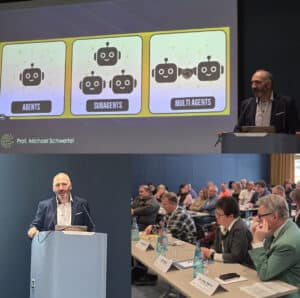
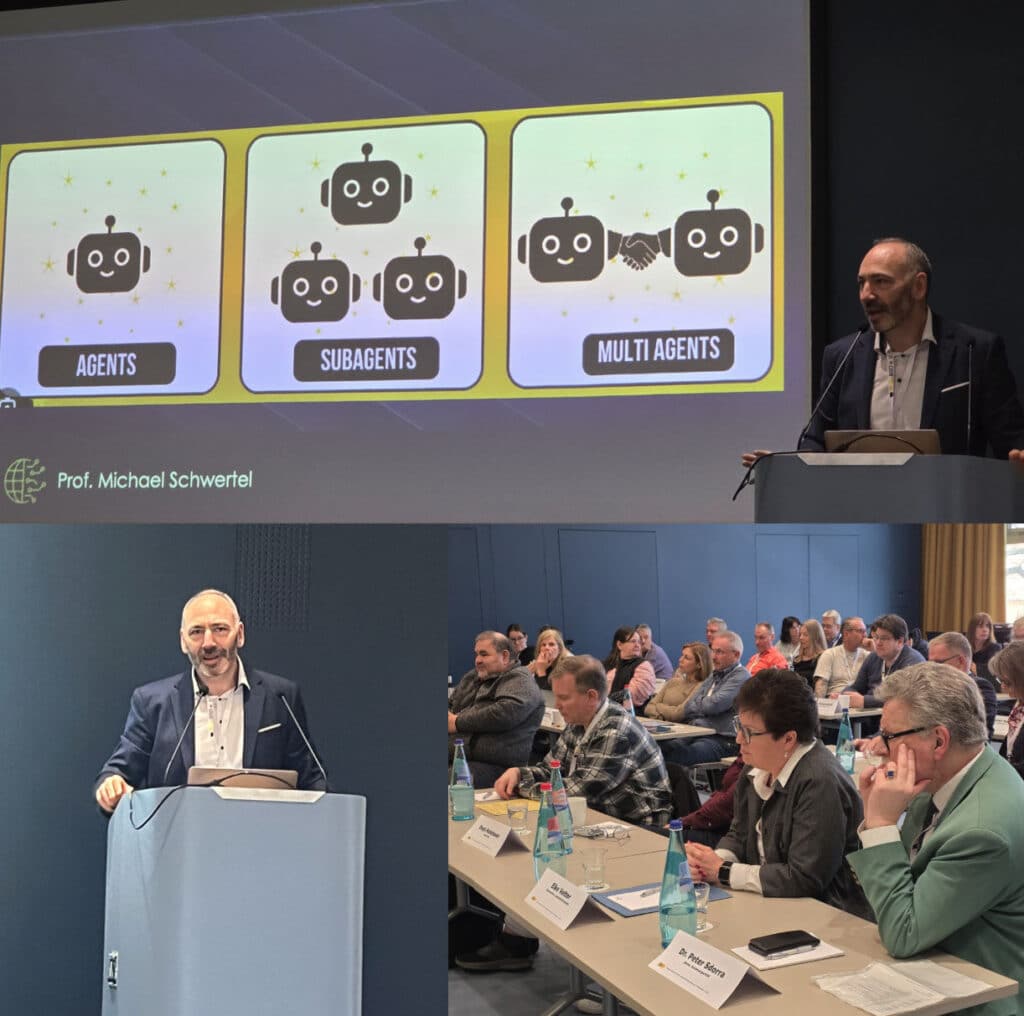
Artificial intelligence in the workplace is evolving faster than ever before. One year ago, I stood on stage in Berlin at the Federal Association of Representatives for Employees with Disabilities in Germany and spoke about AI and assistive technologies.
This week, I returned. Same place. Same audience.
But a completely different technological reality.
What changed in just twelve months in my AI update talk would have taken five years in the past.
Artificial Intelligence in the Workplace as an Opportunity for Inclusion
From experimenting with ChatGPT to agentic AI
One year ago, many participants had just started experimenting with tools like ChatGPT. The questions were cautious. The use cases were limited.
Today, we talk about agentic AI, automated workflows, and real implementation in organizations.
In the hands-on workshop, we no longer discussed possibilities. We focused on execution:
-
How can legal texts be analyzed efficiently?
-
How can AI be integrated strategically into existing processes?
-
Which tools are truly practical?
Using my AI Compass card game, participants developed their own strategies in the workshop.
Not theoretical. Directly applicable.
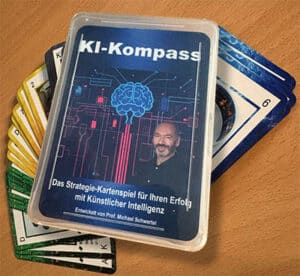
The AI Compass: A Card Game for Developing AI Strategies and Real Use Cases
Artificial intelligence in the workplace is changing inclusion. It creates both opportunities and responsibilities.
A key topic of the conference was the inclusive workplace. This was also highlighted politically: Federal Minister of Labor Bärbel Bas emphasized the importance of participation and accessibility.
But the key question is not whether AI is inclusive.
The real question is whether we design it to be inclusive.
AI is not a neutral tool. It actively shapes our working environment. If inclusion is not considered from the beginning, new barriers can emerge faster than we recognize them.
At the same time, artificial intelligence in the workplace offers enormous opportunities for greater participation.
Robotics and Assistive Systems: The Underrated Game Changer
One of the most impressive developments is in robotics and assistive systems.
Robotic hands now reach a level of precision that was almost unimaginable one year ago. For people with disabilities, this means:
-
more independence
-
new career opportunities
-
fewer physical barriers at work
This shows what AI can truly achieve when used correctly.
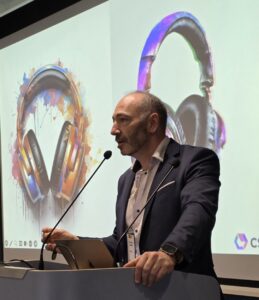
Innovation Means Empowerment, Not Replacement
One idea shaped the entire event “The Future Is Accessible”:
Innovation does not mean replacing people.
Innovation means empowering people.
In discussions with participants, it became clear how strong the need for guidance is. At the same time, there is a high willingness to use new technologies in a meaningful way.
Several participants told me during dinner that after my talk last year, they started using AI in their daily work.
This shows:
Change does not happen in theory.
It happens step by step in real life.
Why Speed Matters Now
The speed at which artificial intelligence in the workplace is evolving creates entirely new challenges for organizations. Decisions that once took years now need to be made within months.
In the context of inclusion, this means: If we do not actively shape this change, we risk digitizing existing barriers or even making them worse.
At the same time, we have the opportunity to redesign work processes so they can adapt to individual needs for the first time.
The Real Question: What Will Happen in the Next 12 Months?
If so much has changed in just one year, one question becomes critical:
What will happen by 2027?
Will we succeed in using AI to remove barriers?
Or will we create new ones that are even harder to overcome?
Conclusion: The Future of Work Will Be More Inclusive. If We Shape It.
The question is not whether artificial intelligence will change the workplace.
The question is how inclusive we make that change.
The future of work will become more technological. That is inevitable.
But whether it will also become more inclusive is not a technical question.
It is a design question.
And that is our responsibility.
How can AI and innovation be used effectively in your organization?
Find out more about workshops and keynotes by Prof. Michael Schwertel.